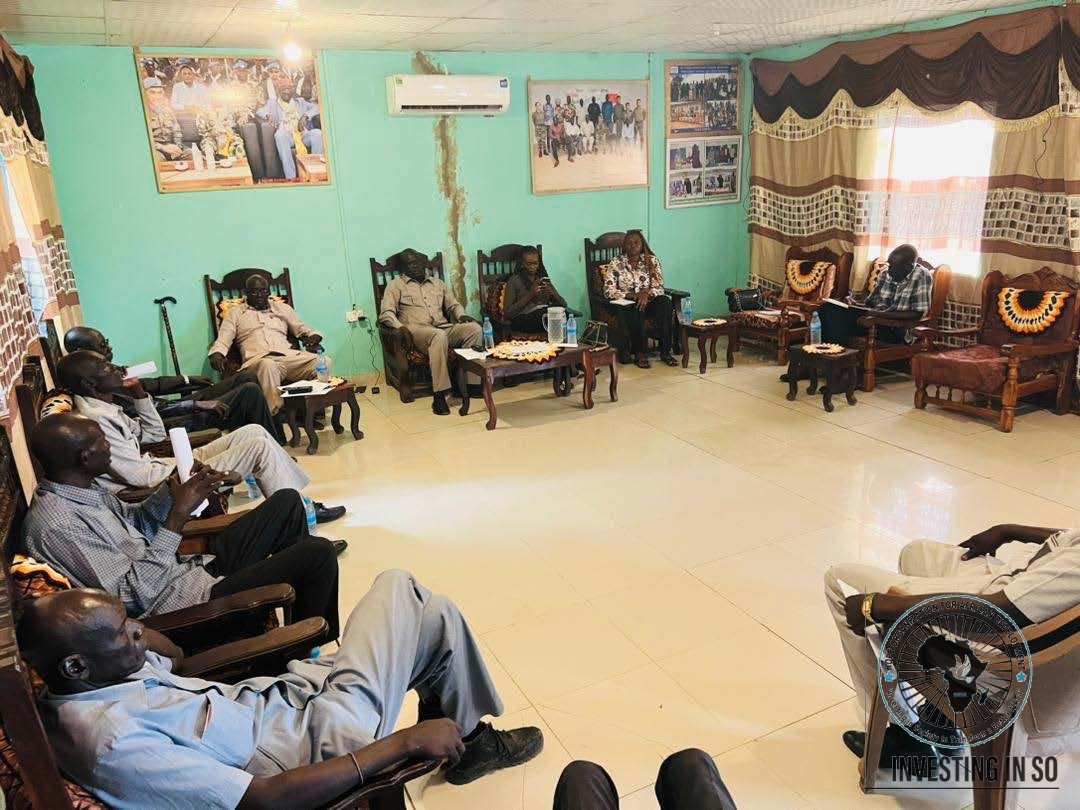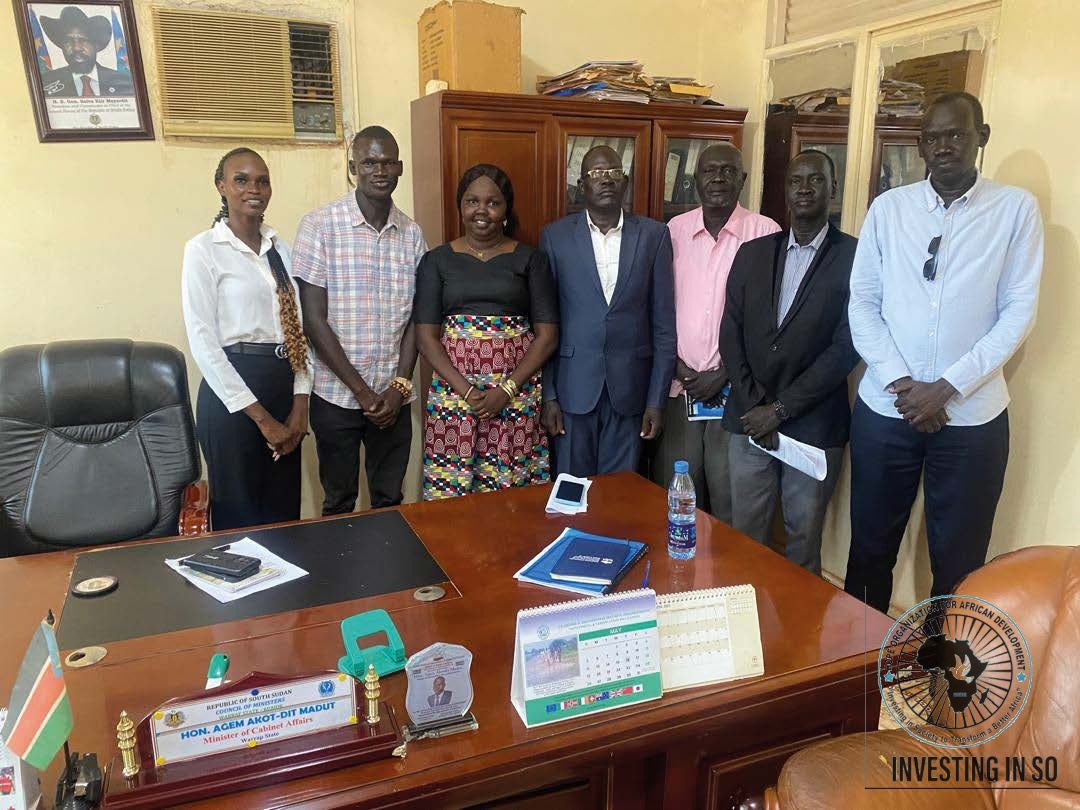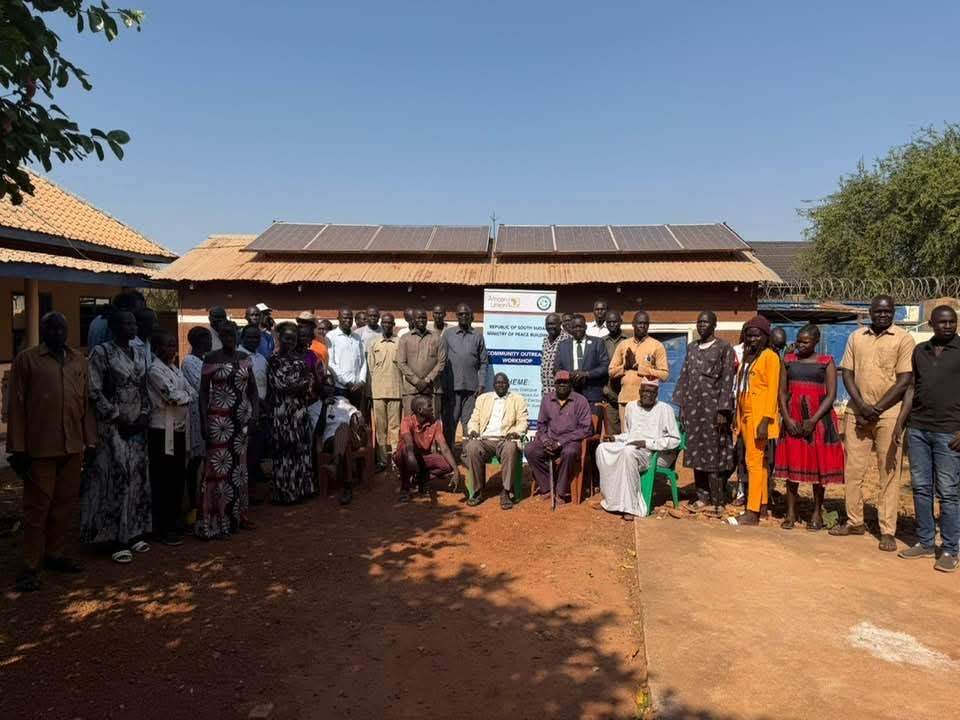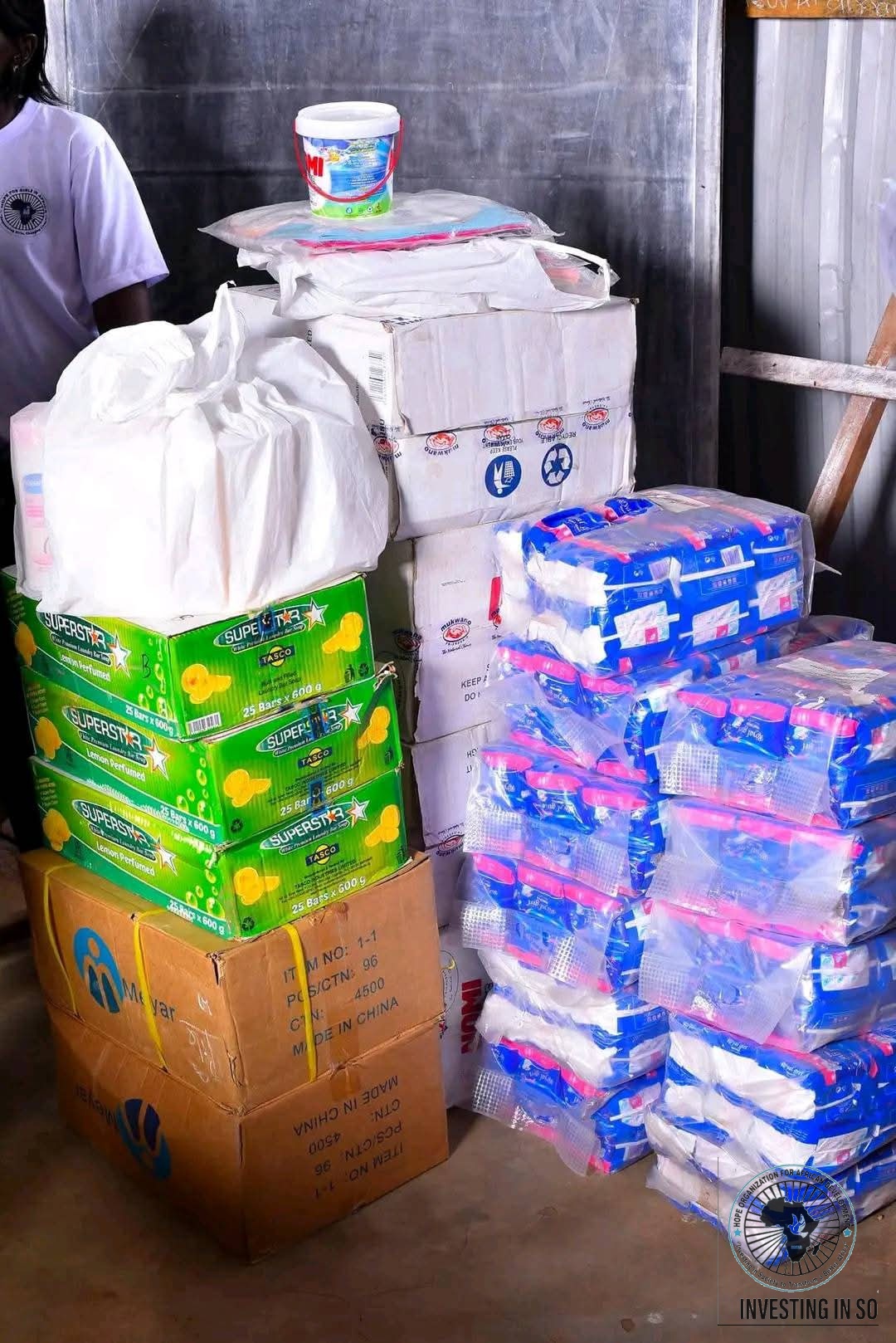
Girls' child and boy's child education, gender-based violence and social equity advocacy, empowerment through entrepreneurship and leadership, food security, environmental protection, reproductive health, and nutrition and WASH.
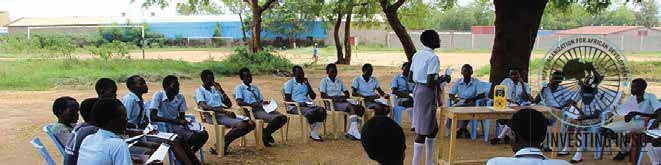
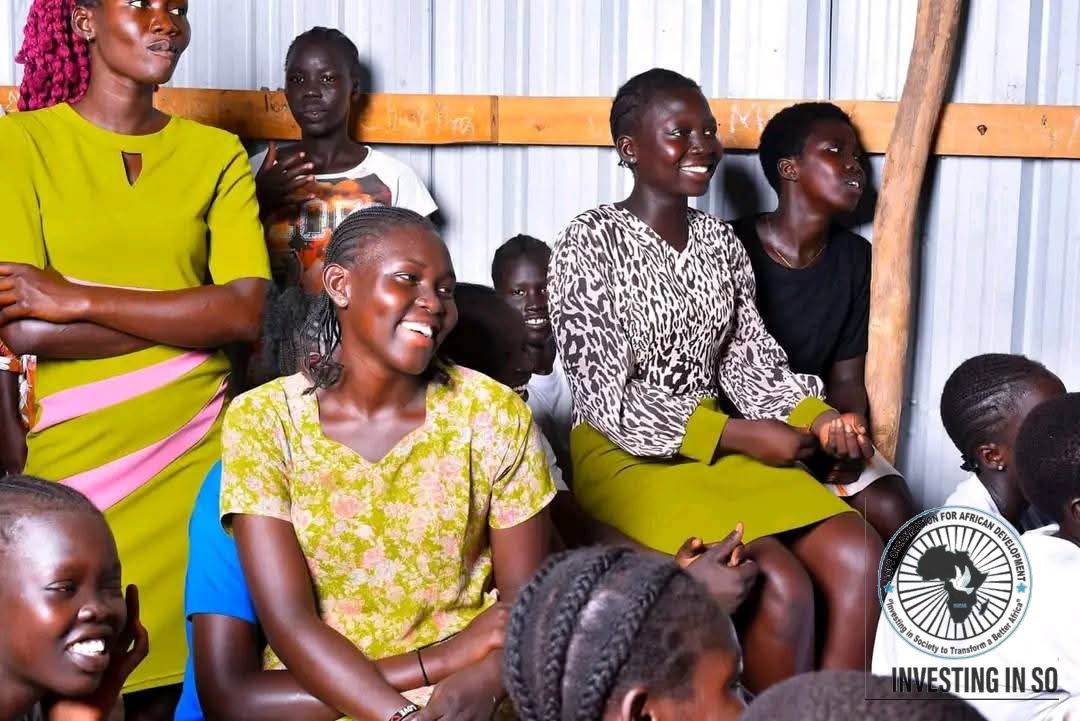
According to Girls' Education South Sudan (2020), only 19.2% of women can read and write — attributed to cultural barriers and economic challenges facing the country. Education is a critical tool to empowering girls and women.

Women and young girls everywhere face an immense range of challenges — from inability to access food, harmful cultural practices and exclusion from peace tables, to the threat of gender-based violence. HOFAD ensures centrality of protection in every program.
The continued lack of youth in positions of power — from corporate boardrooms to political leadership — holds back not only girls and women, but society as a whole.


A society where members earn equally is a progressive society. To eradicate poverty and improve living standards, HOFAD empowers boys and girls to initiate income-generating activities.
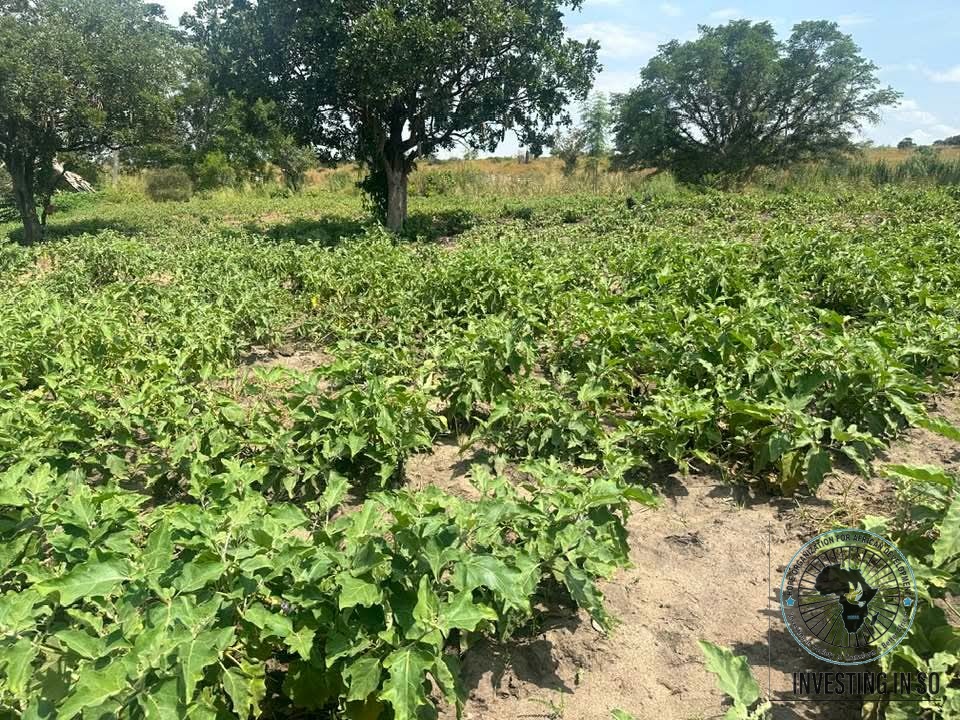
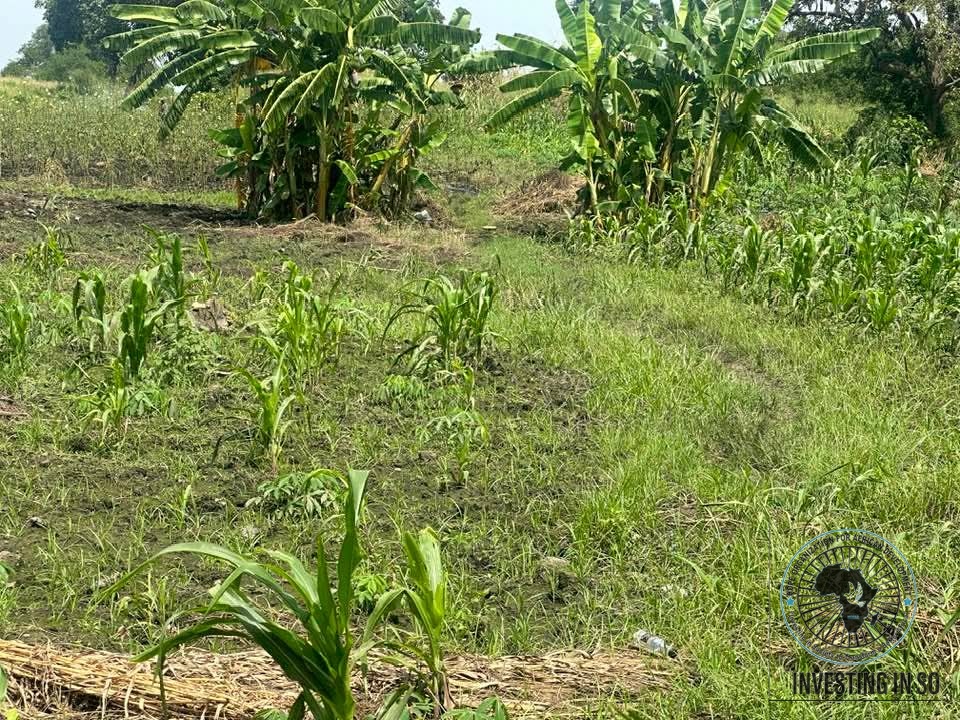
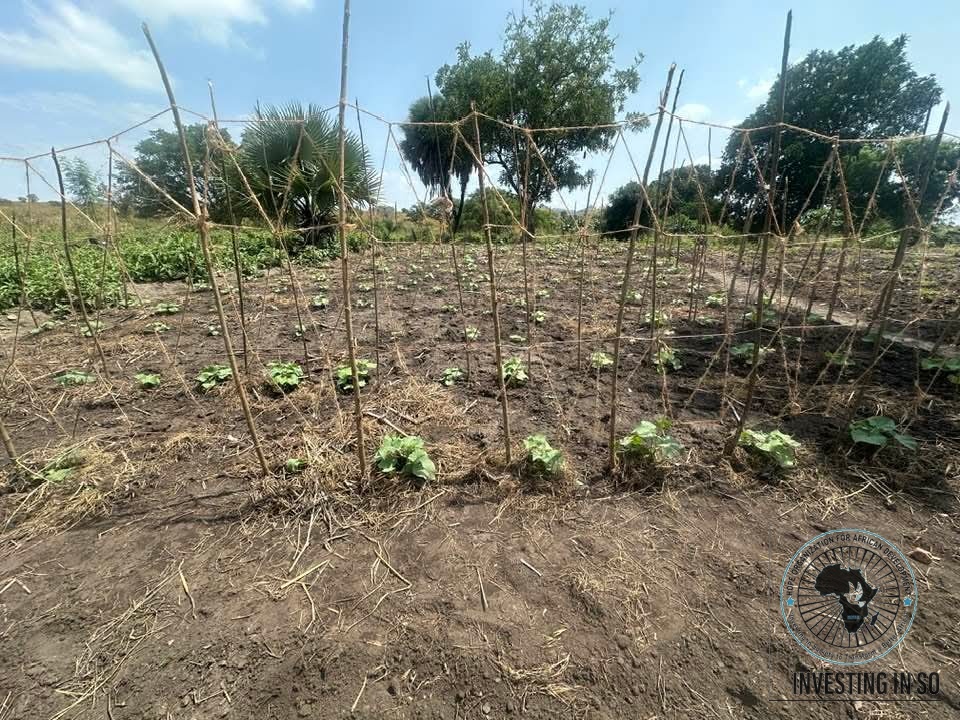
Training and lifesaving support that lets communities feed themselves and withstand shocks.


Youth in Africa, and South Sudan in particular, have experienced threats from protracted armed conflict — raping, kidnapping, food insecurity and more. HOFAD works to prevent these threats against girls and women.
830 women die every day worldwide from preventable causes related to pregnancy (WHO). HOFAD works to close the gap in access and knowledge that drives these statistics.

We coordinate resources toward efficient and effective environmental protection, disaster prevention, preparedness, mitigation and response in South Sudan and beyond — across coordination, capacity building, disaster risk reduction, policy and strategy, geographic information systems, advocacy and education.